

Moving to the Tri-City for College: What You Need to Know
Moving to study in the Tri-City requires understanding the linear layout of the agglomeration based on the Fast Urban Railway (SKM) and avoiding the pitfalls of short-term leases (“contracts until June 30”). The best neighborhoods for student life is Gdansk Wrzeszcz, Przymorze, Zaspa and Oliwa as well as Gdynia Redłowo, providing direct access to the faculties of the University of Gdańsk (UG), Gdańsk University of Technology (Gdańsk University of Technology) and MUG.
The most important information at a glance:
Linear geography: The Tri-City (Gdańsk, Sopot, Gdynia) stretches along the Bay of Gdańsk – the key to fast movement is SKM and PKM trains, not a car or buses.
Beware of lease agreements: Some apartment owners offer rents only from October to the end of June, in order to make the premises available to tourists in July and August.
Public transport: The Tri-City has separate operators (ZTM Gdańsk – trams/buses, ZKM Gdynia – trolleybuses/buses, SKM – railway). To travel around the entire agglomeration, you can use the MZKZG Metropolitan Ticket and the FALA System application.
Wind and climate: Due to humidity and sea wind, the perceived temperature in winter is noticeably lower than in the interior of Polish – airtight windows and city heating (GPEC) in the station are essential.
The linear structure of the Tri-City – how to understand the geography of the agglomeration?
September 20, 2026
The Tri-City is not a typical large metropolis with one central market square from which radiant districts depart. It is an agglomeration belt over 30 kilometers long, stretched between Pruszcz Gdański and Wejherowo.
Lower Terrace vs Upper Terrace
- Dolny Taras (Along the SKM line): Includes the districts lying between the railway tracks and the Bay of Gdańsk (Wrzeszcz, Zaspa, Przymorze, Oliwa, Sopot, Gdynia Redłowo/Główna). It is here that the main campuses of the university (Gdańsk Tech, UG, MUG) and SKM stations are located. Living here is more expensive, but it saves hours a day on commuting.
- Upper Terrace (Behind the ring road and on the hills): Districts such as Jasień, Ujeścisko, Chełm, Łostowice or Gdynia Dąbrowa. Rental prices are lower by PLN 200-300, but getting to the university requires standing in traffic jams or changing trains (with the exception of housing estates located right next to the stations of the Pomeranian Metropolitan Railway – PKM).
Looking for an apartment for college – the 4 biggest pitfalls of renting in the Tri-City
The rental market in Gdańsk, Sopot and Gdynia is strongly dominated by the tourism industry. When browsing ads on OLX, Otodom or student groups on FB, pay attention to four key issues:
SAFE RENTAL CHECKLIST FOR STUDENTS:
- Is the contract valid for 12 months or does it end on June 30?
- Is the heating from the municipal grid (GPEC/OPEC) or is it electric?
- Is the distance to SKM/PKM station less than 10 minutes on foot?
- Is the price quoted the TOTAL cost (Severance + Adm. Rent + Electricity/Gas)?
1. Catch: “Student rental from October to June”
Most of the cheap apartments in Sopot and the Gdańsk coastal strip (Brzeźno, Jelitkowo, Przymorze Wielkie) are offered under the terms of a short-term contract until June 30. The owners allocate these premises in July and August for tourists.
Risk: If you plan to work during the holidays in the Tri-City, do an internship or simply do not want to move during the June exam session – avoid contracts expiring in June.
2. Heating costs in winter (Municipal GPEC/OPEC vs Electric)
Winters in the Tri-City agglomeration are characterized by high humidity and stormy winds from the Bay of Gdańsk.
Apartments in old tenement houses in Wrzeszcz or Sopot with electric or gas heating of the old type generate bills of PLN 400-700 per month per person for electricity/gas alone!
Always choose apartments with a connection to the municipal heating network (GPEC in Gdansk / OPEC in Gdynia).
Public transport in the Tri-City: SKM, PKM, ZTM, ZKM and the FALA System
One of the most common mistakes made by first-year students is buying a monthly ticket for Gdańsk trams and trying to ride it on the SKM train. These are two different systems and different operators!
How to buy a ticket for everything?
- FALA system: A nationwide digital system (mobile application and FALA card), which allows automatic calculation of the cheapest tariff for travel on all means of transport in Pomerania in the Check-in / Check-out mode.
- MZKZG Metropolitan Ticket: A combined semester/monthly ticket that entitles you to ride ZTM Gdańsk buses, ZKM Gdynia trolleybuses AND SKM and PKM trains throughout the agglomeration.
Organizing expenses for the SKM semester ticket, sharing electricity and gas fees with roommates at the station, keeping an eye on the deadlines for passing the exam at USOS and the schedule in casual work can be overwhelming after moving. See how the comprehensive application for students Student360 works – it helps you plan your budget, write down meter readings and settle utilities at the station, control ECTS credits, keep an eye on your schedule at work and store lecture scripts on a 5 GB disk in the cloud.
Climate and everyday life – seaside realities that are not in textbooks
Living in the Tri-City has a specific charm, but also its local conditions, which are worth knowing before moving:
1. Perceived temperature and wind
The phrase “wind from the bay” is not a stylistic decoration. Due to high humidity, stormy winds and proximity to the sea, the temperature felt in Gdańsk or Gdynia in the winter months (November – March) is usually 4–6°C lower than the thermometer indication. A good windproof jacket and waterproof shoes are a basic element of a student’s wardrobe.
2. Where do students work in the Tri-City?
The Tri-City is a powerful business center (BPO/SSC/IT sector) and tourist center:
Corporate/IT sector: The Olivia Centre and Alchemia office complexes in Gdańsk Oliwa (right next to the SKM Przymorze-Uniwersytet station) and the Łużycka Office Park in Gdynia Redłów employ thousands of students on flexible schedules (1/2 or 3/4 of a full-time job).
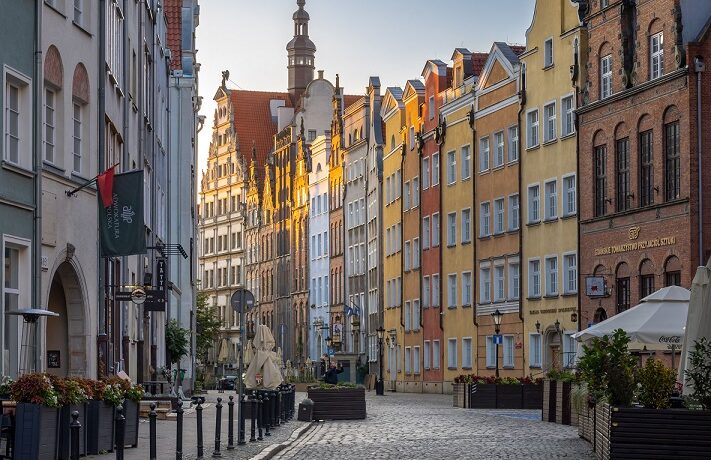
Gastronomy and Tourism: The Main City in Gdansk, Monciak in Sopot and Bulvar in Gdynia provide thousands of jobs in gastronomy and tourism from spring to late autumn.
Managing time between lectures at the university (UG, PG, MUG), part-time work at the Olivia Centre and private life requires order. Use the Student360 student support app, which allows you to combine your academic calendar, work schedule, household expenses, and settlements with roommates in one place.
Gdańsk Resident’s Card and Gdynia Card – Free tickets and discounts for students
Many students moving to the Tri-City do not realize that by temporarily registering in a dormitory or dormitory, they gain the right to official Resident Cards (Gdańsk, Gdynia or Sopot).
This gives you access to a powerful package of free tickets to cultural institutions and discounts on recreation.
FREE BENEFITS WITH THE GDAŃSK RESIDENT CARD (FOR STUDENTS with Temporary Registration):
- 1x per year free entry to the European Solidarity Centre (ECS)
- 1x per year free entry to the Museum of the Second World War
- 1x per year free entry to the Oliwa Zoo and the Palm House
- Discounts at the Gdańsk Sports Centre (swimming pools, ice rinks) and discounts at Mevo
How to get the Gdańsk Resident Card as a student?
- Get Temporary Check-in: Go to the Residents’ Service Team of the Gdańsk City Hall (e.g. at 74 Partyzantów Street in Wrzeszcz or 8/12 Nowe Ogrody Street). Show your room rental agreement or dormitory certificate. Check-in is issued immediately and free of charge.
- Create an account on jestemzgdanska.pl: Upload a temporary check-in confirmation.
- Activate Pack: You get a digital card on the mobile app that unlocks free entry to the city’s top attractions.
Academic Towns in the Tri-City – Life in the dormitories of Gdańsk Tech, University of Gdańsk Tech and MUG
If you’ve been given a place in a state dormitory, you’re stepping right into the middle of unique student micro-communities. Each university has its own integrated academic settlements:
[Osiedle Akademickie Politechniki Gdańskiej (ul. Do Studzienki / Traugutta / Siedlicka)]
- Student Dormitories DS 1 – DS 12 located 3–7 minutes walk from the Main Building of Gdańsk Tech.
- Student life: The legendary student club “Kwadratowa”, its own housing estate network (SKOS), sports fields, proximity to a nature reserve.
[Akademiki Gdańskiego Uniwersytetu Medycznego (ul. Dębinki)]
- Student Dormitories DS 1, DS 2, DS 3, DS 4 located directly at the University Clinical Center (UCK).
- Advantage: Instant access by tram to the center and a 5-minute walk to anatomy or physiology classes.
[Akademiki Uniwersytetu Gdańskiego (Oliwa / Sopot)]
- Gdańsk Oliwa (Polanki Street – DS 3, DS 4, DS 5, DS 10): Right next to the Main Campus of the University of Gdańsk.
- Sopot (1 Maja / Armii Krajowej Street – DS 7, DS 8, DS 9): Close to the Faculty of Economics and Management.
Cheap food for a student – Iconic milk bars in Gdansk, Gdynia and Sopot
Eating at a station in the Tri-City does not have to be based only on cooking pasta or buying ready-made dishes in discount stores. The Tri-City has a great network of traditional, very cheap milk bars subsidized by the state.
- Wrzeszcz (PG / MUG): “Akademicki” Milk Bar (2 Do Studzienki Street)
- Wrzeszcz Dolny: “Syrena” Milk Bar (113 Grunwaldzka Street)
- Oliwa (UG): “Jaros” Bar (Opata Jacek Rybińskiego Street)
- Sopot: “Sunny” Milk Bar (14 Bohaterów Monte Cassino Street)
- Gdynia Śródmieście: Milk Bar “Świętojański” (Świętojańska Street)
Tunnel under the Martwa Wisła and express buses – Alternative routes to avoid traffic jams
One of the most important engineering structures in Gdańsk is the Maciej Płażyński Tunnel under the Dead Vistula. It connects the right-bank part of the city (Stogi, Przeróbka, Rudniki, Letnica) with the coastal strip and Wrzeszcz, completely bypassing the crowded Śródmieście and the Main Railway Station.
If you find a cheap apartment in Stogi or Przeróbka, bus line 158 will take you through a tunnel under the river directly to Wrzeszcz and Zaspa in just 18-22 minutes, avoiding standing in traffic jams around the Main Railway Station and Podwale Grodzki.
Training and health by the sea – Iodine, Tri-City Landscape Park (TPK) and bicycle paths
Moving to the Tri-City is also a huge microclimate change. The proximity of the Baltic Sea and the Tri-City Landscape Park (TPK) creates conditions for free regeneration during a difficult exam session.
Summary of the checklist after the transfer to the Tri-City
Here’s your ultimate list of steps for the first 14 days after you arrive at college:
- Make a temporary check-in at the dormitory/dormitory and collect the Gdańsk/Gdynia Resident Card.
- Create an account in the mKKM / FALA application and encode the Metropolitan Ticket for SKM/ZTM.
- Install the Mevo 2.0 app and buy a bike subscription for PLN 10.
- Sign up for a primary care physician at a student clinic via the Online Patient Account (IKP).
- Test the route to the university during rush hour (7:30 a.m. – 8:00 a.m.) by SKM or PKM train!
Frequently Asked Questions About Moving to the Tri-City
1. How much does it cost to maintain a student in the Tri-City in 2026/2027?
The average cost of living (renting a 1-person room with fees: approx. PLN 1600–2000, SKM/ZTM semester ticket: approx. 80–120 PLN/month, food and personal finances: approx. PLN 1200–1600) is a total of about PLN 3000 – PLN 3800 per month.
2. Is it worth taking a car to study in Gdańsk or Gdynia?
In 90% of cases, it is not profitable. Śródmieście, Wrzeszcz, Oliwa, Sopot and the center of Gdynia are covered by Paid Parking Zones (SPP), where the fee is PLN 30-60 per day. Travel by SKM train is faster and cheaper.
3. Where to look for the first station in the Tri-City?
The best portals are OLX, Otodom and student groups on Facebook (“Apartments/Rooms Gdańsk”, “Pokoje Sopot Gdynia”, “Stancje Wrzeszcz Przymorze”).
4. How to get to the faculties of the University of Gdańsk, Gdańsk Tech and MUG from the Gdańsk Główny Railway Station?
To the Gdańsk University of Technology (Gdańsk University of Technology): Take the tram (lines 2, 3, 6, 9, 11, 12) to the Opera Bałtycka stop or take the SKM train to the Gdańsk Politechnika station.
To the University of Gdańsk (UG Kampus Oliwa): By SKM train to the Gdańsk Przymorze-Uniwersytet station.
To MUG: Take the tram (lines 2, 3, 6, 9, 11, 12) to the Uniwersytet Medyczny stop.
5. How to arrange the National Health Fund and a family doctor after being transferred to the Tri-City?
All you have to do is log in to the Internet Patient Account (pacjent.gov.pl) and send the e-declaration of choosing a primary care physician to any student clinic in Gdańsk (e.g. academic clinics in Wrzeszcz or Przymorze) or Gdynia.